Is every episode of chest pain a heart attack?
Keywords: heart attack, myocardial infarction, cardiac emergency, heart muscle damage, myocardial necrosis
What is a heart attack?
A heart attack, also known as a myocardial infarction (MI), occurs when the blood flow carrying oxygen to part of the heart muscle is severely reduced or completely blocked. Without prompt restoration of blood flow, the affected heart muscle becomes damaged or dies. A heart attack is a medical emergency that requires immediate treatment.
In most cases, a heart attack occurs when a plaque of fatty deposits (atherosclerosis) in a coronary artery ruptures. Platelets and other clotting factors quickly accumulate at the site, forming a blood clot that partially or completely blocks blood flow to the heart. The longer the heart muscle is deprived of oxygen, the greater the damage, increasing the risk of heart failure, life-threatening arrhythmias, and death.
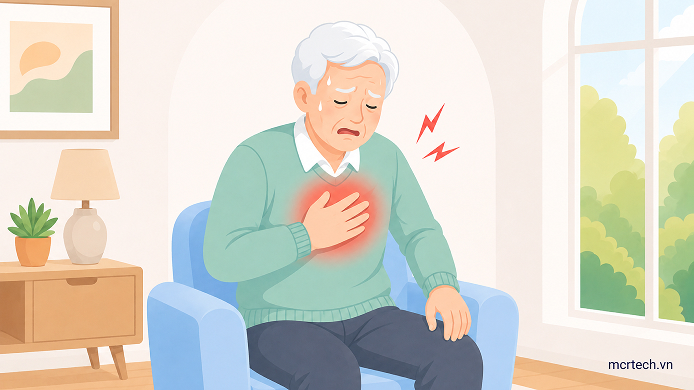
Heart Attack: Warning Signs, Causes, and Effective Prevention
What are the different types of heart attack?
Based on electrocardiogram (ECG) findings, heart attacks are generally classified into two main types.
- ST-Elevation Myocardial Infarction (STEMI)
STEMI is the most severe type of heart attack. It occurs when a coronary artery is completely blocked, cutting off blood supply to a portion of the heart muscle. Without rapid restoration of blood flow, permanent heart muscle damage can occur. - Non-ST-Elevation Myocardial Infarction (NSTEMI)
NSTEMI occurs when a coronary artery is partially blocked or blood flow is significantly reduced. Although the damage may be less extensive than in STEMI, NSTEMI is still a serious medical condition that requires prompt diagnosis and treatment to prevent complications.
Warning signs of a heart attack
Heart attack symptoms vary from person to person. Some people experience sudden, intense symptoms, while others notice warning signs hours or even days beforehand.
- Common symptoms include:
- Chest pain, pressure, tightness, squeezing, or heaviness.
- Pain that spreads to the left arm, shoulder, neck, jaw, or back.
- Shortness of breath.
- Cold sweats.
- Nausea or vomiting.
- Dizziness or lightheadedness.
- Unusual fatigue.
Not everyone experiences the classic symptoms. Women, older adults, and people with diabetes may develop less typical symptoms such as fatigue, shortness of breath, nausea, or pain in the back, shoulders, or jaw instead of severe chest pain. Some people may even have a silent heart attack, with few or no noticeable symptoms, making diagnosis more difficult.
What causes a heart attack?
The most common cause of a heart attack is coronary artery disease resulting from atherosclerosis. Over time, cholesterol, fat, and inflammatory cells accumulate within the walls of the coronary arteries, forming plaques that gradually narrow the arteries.
When one of these plaques ruptures, the body forms a blood clot to repair the injury. However, the clot may completely block the coronary artery, preventing oxygen-rich blood from reaching the heart muscle.
Less common causes of heart attack include, coronary artery spasm, a severe reduction in blood flow due to very low blood pressure or inadequate oxygen supply, spontaneous coronary artery dissection (SCAD), certain blood clotting disorders or other rare medical conditions.
Who is at higher risk?
Several factors increase the risk of developing a heart attack, including older age, being male or a postmenopausal woman, high blood pressure, high LDL cholesterol or low HDL cholesterol, diabetes, smoking, overweight or obesity, physical inactivity, a diet high in saturated fat, trans fat, and sodium, chronic stress, afamily history of premature cardiovascular disease. Managing these risk factors plays a key role in preventing heart attacks.
How is a heart attack diagnosed?
If a heart attack is suspected, healthcare providers will quickly perform tests to confirm the diagnosis and assess the extent of heart muscle damage.
Common diagnostic tests include:
- Electrocardiogram (ECG) detects changes in the heart’s electrical activity and helps distinguish STEMI from NSTEMI.
- Cardiac troponin blood test measures proteins released into the bloodstream when heart muscle is damaged.
- Echocardiogram evaluates heart function and the heart’s pumping ability.
- Coronary angiography identifies the location and severity of blocked coronary arteries to guide treatment.
How is a heart attack treated?
The primary goal of treatment is to restore blood flow to the heart as quickly as possible.
Depending on the patient’s condition, treatment may include antiplatelet medications, anticoagulants, clot-dissolving drugs (thrombolytics), and other medications to support heart function.
Many patients undergo percutaneous coronary intervention (PCI), a procedure that opens the blocked artery using a balloon and places a stent to restore blood flow. In patients with extensive coronary artery disease or when PCI is not appropriate, coronary artery bypass grafting (CABG) may be recommended.
What should you do if you suspect a heart attack?
If you or someone nearby develops symptoms suggestive of a heart attack, call emergency medical services immediately. Do not drive yourself to the hospital if emergency transportation is available.
Rest and avoid physical activity while waiting for medical assistance. Take aspirin only if advised by a healthcare professional and if there are no contraindications. Never ignore or wait for symptoms to go away on their own. Every minute without treatment increases the amount of heart muscle damage.
Can a heart attack be prevented?
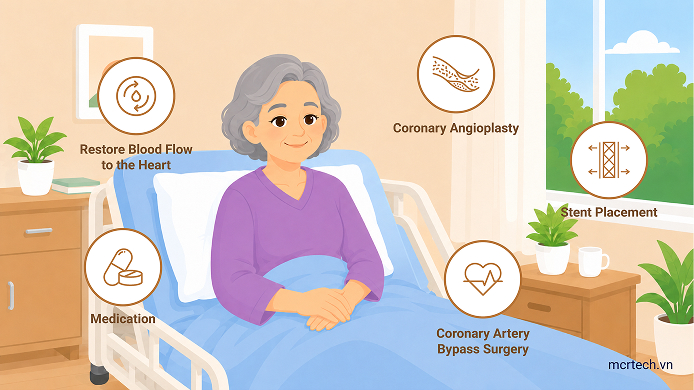
Heath Attack: Prevention, Treatment, and Risk Reduction
Although it is impossible to eliminate the risk entirely, you can significantly reduce your chances of having a heart attack by:
- Quitting smoking and avoiding secondhand smoke.
- Controlling blood pressure, cholesterol, and blood sugar levels.
- Maintaining a healthy body weight.
- Eating a heart-healthy diet rich in vegetables, fruits, whole grains, and minimally processed foods.
- Exercising regularly according to your healthcare provider’s recommendations.
- Limiting alcohol consumption.
- Getting enough sleep and managing stress.
- Having regular health checkups, especially if you have cardiovascular risk factors.
References:
- Harvard Health Publishing. (2026, January 26). Heart attack (myocardial infarction). https://www.health.harvard.edu/a_to_z/heart-attack-myocardial-infarction-a-to-z
- Cleveland Clinic. (2025, December 22). Heart Attack (Myocardial infarction). https://my.clevelandclinic.org/health/diseases/16818-heart-attack-myocardial-infarction