Living with asthma: Controlling the disease for a better quality of life
Asthma is one of the most common chronic diseases and can affect people of all ages, although it is most frequently seen in children. Despite cannot be completely cured, asthma can be effectively controlled with early diagnosis and appropriate treatment.
Keywords: Asthma, asthma control, chronic disease
What is asthma?
Asthma is a common chronic lung disease characterized by inflammation and narrowing of the airways, leading to recurrent symptoms such as coughing, wheezing, shortness of breath, and chest tightness. The disease can affect people of all ages but is most commonly observed in children.
According to the World Health Organization (WHO), approximately 262 million people worldwide were living with asthma in 2019, and the disease causes around 455,000 deaths each year, with the majority occurring in low- and middle-income countries.
Although asthma cannot be completely cured, it can be effectively controlled through early diagnosis and appropriate treatment.
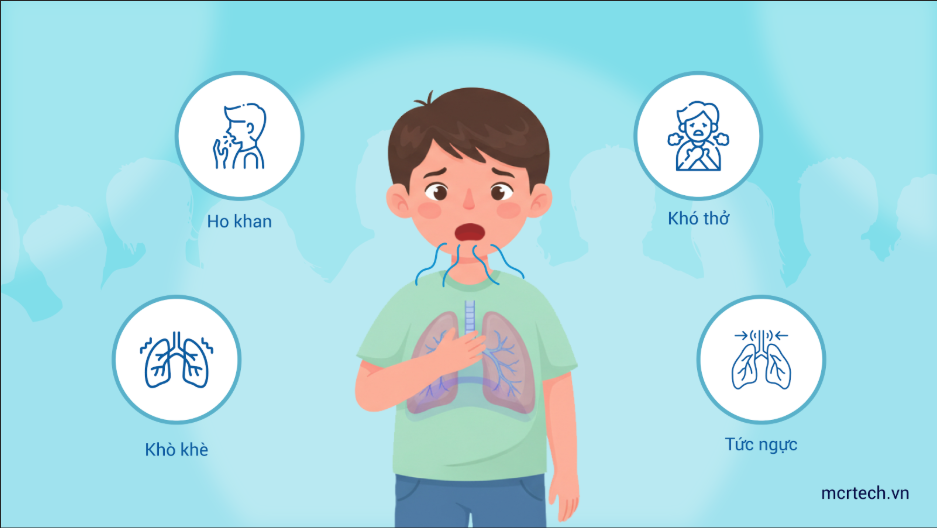
Asthma and its signs and symptoms
Pathophysiology and clinical manifestations
Asthma results from chronic inflammation of the airways, which makes the bronchi excessively sensitive to various triggering factors. During an asthma attack, bronchial smooth muscle constriction, mucosal edema, and increased mucus secretion obstruct airflow, leading to breathing difficulties.
Common symptoms include persistent coughing (especially at night or in the early morning), wheezing, shortness of breath, and a sensation of chest tightness. The severity and frequency of symptoms may vary over time and often worsen upon exposure to environmental triggers.
Risk factors and triggering agents
Asthma exacerbations are commonly associated with exposure to tobacco smoke, air pollution, respiratory viral infections, pollen, house dust mites, animal dander, chemical irritants, or cold weather.
Individuals with a family history of asthma or other allergic diseases are at higher risk of developing asthma. Identifying and minimizing exposure to individual triggers play an important role in effective disease management.
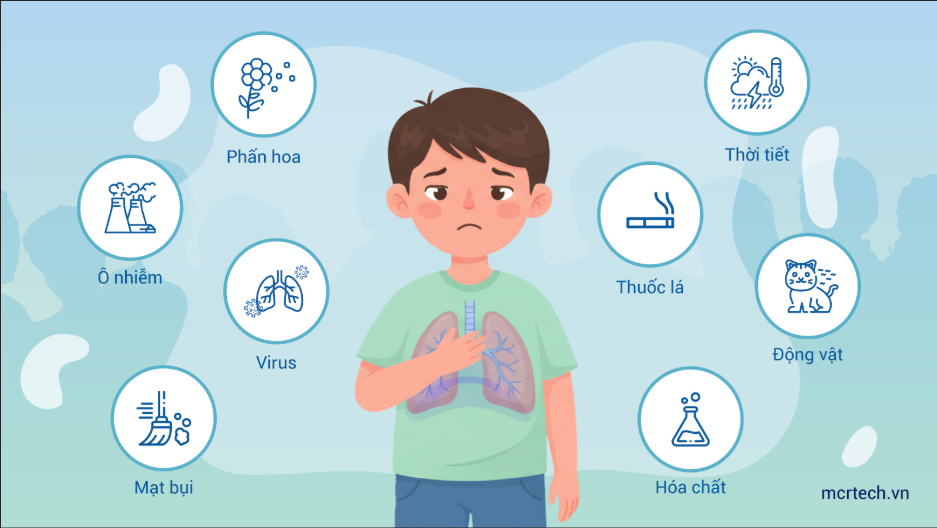
Risk factors and triggers of asthma
Diagnosis and treatment
According to the World Health Organization (WHO), inhaled medications are the cornerstone of asthma treatment, consisting of two main groups: short-acting bronchodilators used for symptom relief and inhaled corticosteroids used for long-term control of airway inflammation.
These medicines are included in the WHO Model List of Essential Medicines and have been shown to significantly reduce severe exacerbations, hospitalizations, and asthma-related mortality. Proper inhaler technique, often in combination with a spacer device, enhances treatment effectiveness and reduces adverse effects.
Asthma control
WHO emphasizes that asthma can be well controlled, allowing individuals to study, work, and engage in physical activity normally. Effective asthma control not only reduces daily symptoms but also prevents dangerous exacerbations. However, many patients still fail to achieve optimal control due to reliance solely on reliever medications, poor adherence to preventive therapy, or limited understanding of the disease.
To maintain asthma control, WHO recommends regular use of preventive inhalers even in the absence of symptoms, strictly following healthcare providers’ instructions. Early recognition of worsening signs, such as increased coughing or wheezing and nocturnal shortness of breath, enables timely intervention and reduces the risk of hospitalization. In addition, avoiding triggers, maintaining a healthy lifestyle, engaging in appropriate physical activity, and developing a personalized asthma management plan with the support of family members and healthcare professionals are essential for long-term disease control.
Public health challenges
Asthma remains underdiagnosed and undertreated in many countries, particularly in resource-limited settings where access to inhaled medicines is inadequate. WHO is promoting global strategies to improve early diagnosis, expand access to essential medications, and integrate asthma management into primary healthcare systems.
These measures not only reduce preventable deaths but also improve the quality of life for millions of people living with asthma worldwide.
References:
- World Health Organization. (2024, May 6). Asthma. World Health Organization. https://www.who.int/news-room/fact-sheets/detail/asthma
- World Health Organization. (2023, May 2). 5 ways to keep your asthma under control. World Health Organization. https://www.who.int/news-room/feature-stories/detail/dont-let-asthma-hold-you-back-5-ways-to-make-sure-that-you-are-in-control-of-your-asthma