Nipah virus: Understading it correctly for effective disease prevention
Nipah virus is a highly dangerous infectious disease with a high case fatality rate and no specific treatment, requiring heightened vigilance in disease surveillance and prevention. The current outbreak situation in India (West Bengal) has been assessed by the World Health Organization (WHO) as posing a low risk at national and global levels; however, preventive measures remain critically important in both communities and healthcare settings.
Keywords: Nipah virus, NiV, WHO, emerging infectious disease
What is Nipah virus?
Nipah virus (NiV) is a zoonotic virus belonging to the Henipavirus genus. It can be transmitted from animals to humans and is also capable of human-to-human transmission through close contact. The estimated case fatality rate of NiV ranges from 40% to 75%, depending on the outbreak and the capacity of the local healthcare system. This level of severity is significantly higher than that of many other infectious diseases; therefore, WHO has classified Nipah virus as a priority pathogen for research and development of outbreak preparedness measures.
NiV was first identified in 1998 following an outbreak in Malaysia and Singapore. Since then, sporadic cases and outbreaks have been reported in Bangladesh, India, the Philippines, and Singapore.
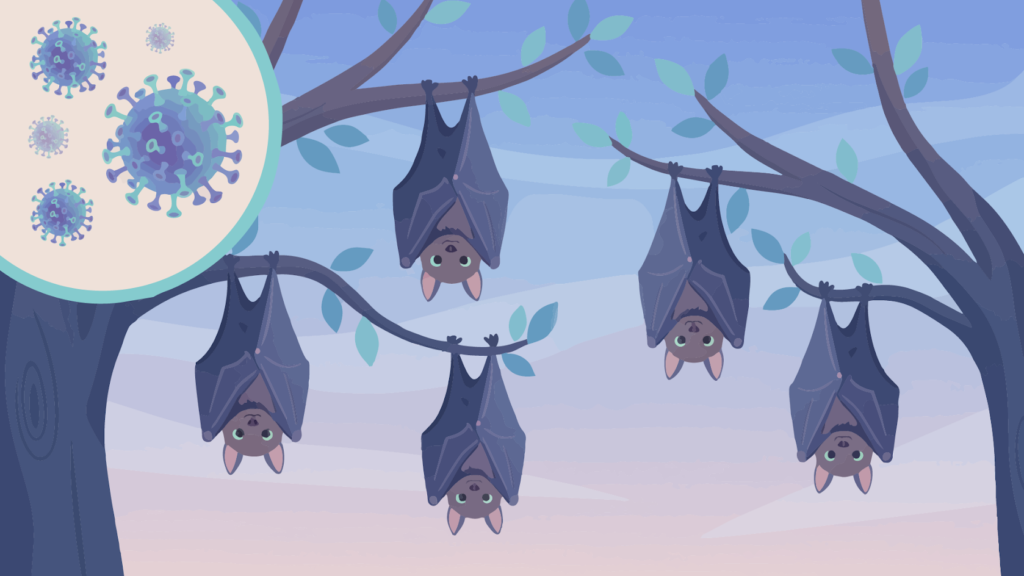
Nipah Virus: Risks and Transmission
Sources of infection
Nipah virus circulates in wildlife but can be transmitted to humans through several routes.
- Natural reservoir: Fruit bats (Pteropus species) are the natural reservoir hosts of Nipah virus and typically carry the virus without showing signs of illness.
- Routes of transmission to humans: Direct contact with infected bats, pigs, or other animals, along with the consumption of fruits or fruit products contaminated by bats—such as date palm sap or palm juice—are important routes of transmission. In addition, close contact with infected individuals, particularly during caregiving or intimate interactions, poses a high risk, especially in healthcare settings where infection prevention and control measures are inadequate.
Human-to-human transmission has been documented, particularly among close contacts in community settings and during healthcare delivery.
Current epidemiological situation
On 26 January 2026, Indian health authorities notified WHO of two laboratory-confirmed cases of Nipah virus infection in West Bengal. Both cases involved healthcare workers at a private hospital in Barasat. Approximately 196 identified contacts tested negative, and no community transmission has been detected to date.
Based on the current situation, WHO has assessed the risk of further spread at the national, regional, and global levels as low. At present, WHO does not recommend any restrictions on international travel or trade.
Clinical manifestations
Symptoms typically appear 3–14 days after exposure and may include the following:
Early symptoms of the disease often include fever, headache, fatigue, muscle pain, cough, shortness of breath, nausea, and diarrhea. As the illness progresses, severe symptoms may develop, particularly neurological manifestations such as confusion, altered consciousness, and seizures caused by encephalitis, along with severe respiratory distress. In the most serious cases, the condition can progress to coma or even death.
In some individuals, initial symptoms may be mild or nonspecific, but the disease can later progress rapidly to severe illness.
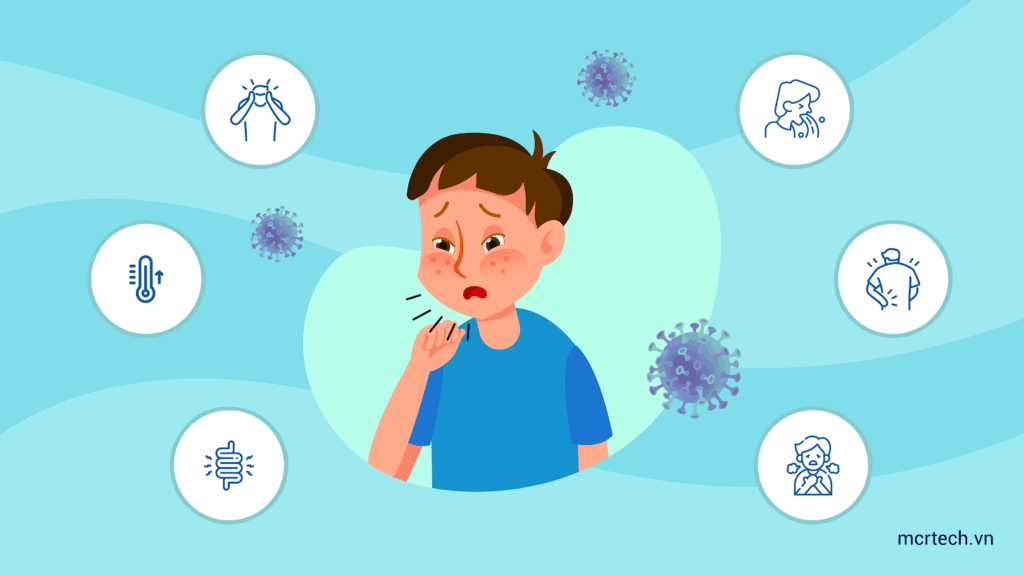
Clinical manifestations
Diagnosis
Laboratory testing is essential for the diagnosis of Nipah virus infection, as early symptoms can resemble other conditions such as pneumonia or viral encephalitis caused by different pathogens. The main diagnostic methods include:
- RT-PCR (Reverse Transcription Polymerase Chain Reaction): detection of viral RNA from respiratory samples, blood, or cerebrospinal fluid
- ELISA (Enzyme-Linked Immunosorbent Assay): detection of antibodies against Nipah virus
Current treatment
There is currently no approved specific antiviral treatment or vaccine for Nipah virus infection. Management is primarily supportive and intensive, focusing on oxygen therapy and respiratory support, management of encephalitis and seizures, support of other organ functions.
Early supportive care can reduce mortality and improve clinical outcomes.
Prevention and infection control
WHO recommends the following preventive measures to reduce the risk of transmission.
Reducing animal-to-human transmission involves avoiding direct contact with bats and sick domestic animals, protecting areas used for collecting fresh fruit products such as date palm sap from bat contamination, boiling fruit juices, thoroughly washing and peeling fruits before consumption, and discarding fruits that show signs of bat bites.
To reduce human-to-human transmission, individuals should practice regular hand hygiene with soap and water and avoid close contact with infected persons unless necessary.
In healthcare settings, it is essential to apply standard infection prevention and control measures, ensure the proper use of personal protective equipment (PPE), and promptly isolate suspected cases.
References:
- World Health Organization. (2026, January 29). Nipah virus.
https://www.who.int/news-room/fact-sheets/detail/nipah-virus/ - World Health Organization. (2026, January 30). Nipah virus infection – India.
https://www.who.int/emergencies/disease-outbreak-news/item/2026-DON593