Diabetes: A metabolic disorder in the modern era
Keywords: Diabetes, hyperglycemia, insulin resistance, metabolic disorder
Overview of diabetes
Diabetes is a chronic metabolic disease characterized by elevated levels of blood glucose (hyperglycemia), resulting from either insufficient insulin production or the body’s inability to effectively use insulin. Insulin is a hormone produced by the pancreas that regulates blood sugar levels.
Over time, uncontrolled diabetes leads to serious damage to multiple organ systems, particularly the cardiovascular system, kidneys, eyes, and nerves.
The global burden of diabetes has increased dramatically in recent decades, rising from 200 million cases in 1990 to approximately 830 million in 2022. This rapid increase makes diabetes one of the most significant noncommunicable diseases worldwide.
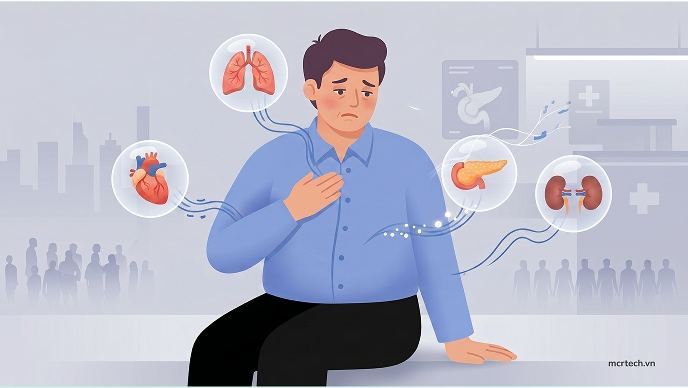
Overview of diabetes mellitus and its associated complications.
Types and pathophysiology
There are three main types of diabetes: type 1, type 2, and gestational diabetes.
Type 1 diabetes is characterized by little or no insulin production due to autoimmune destruction of pancreatic beta cells, requiring lifelong insulin therapy.
Type 2 diabetes, which accounts for more than 90–95% of cases, occurs when the body becomes resistant to insulin or fails to produce sufficient insulin. This form is strongly associated with lifestyle factors such as obesity and physical inactivity.
Gestational diabetes develops during pregnancy and increases the risk of complications for both mother and child, as well as future development of type 2 diabetes.
At the cellular level, diabetes results in impaired glucose uptake, leading to persistent hyperglycemia and subsequent tissue damage.
Clinical manifestations
The clinical manifestations of diabetes vary depending on the type, severity, and duration of the disease. In type 1 diabetes, symptoms typically develop rapidly due to absolute insulin deficiency, whereas in type 2 diabetes, the onset is often gradual and may remain unnoticed for years.
The classic symptoms of hyperglycemia include polyuria (frequent urination), polydipsia (excessive thirst), and polyphagia (increased hunger). These symptoms arise as elevated blood glucose levels exceed the renal threshold, leading to glucose excretion in urine and osmotic diuresis. Patients may also experience unexplained weight loss, particularly in type 1 diabetes, due to increased fat and muscle breakdown in the absence of insulin.
Additional symptoms include fatigue, blurred vision, and slow wound healing. Chronic hyperglycemia can impair immune function, making individuals more susceptible to infections, especially skin and urinary tract infections.
Acute complications may also occur. Diabetic ketoacidosis (DKA) is a life-threatening condition commonly associated with type 1 diabetes, characterized by hyperglycemia, metabolic acidosis, and ketone production. In contrast, hyperosmolar hyperglycemic state (HHS) is more frequently seen in type 2 diabetes and is marked by extreme hyperglycemia and severe dehydration without significant ketosis.
Long-term complications result from persistent hyperglycemia and include microvascular complications such as diabetic retinopathy, nephropathy, and neuropathy, as well as macrovascular complications including cardiovascular disease, stroke, and peripheral artery disease. These complications significantly contribute to morbidity and mortality in diabetic patients.
Diagnosis
The diagnosis of diabetes is based on biochemical measurements of blood glucose levels and glycated hemoglobin (HbA1c). These tests help assess both current and long-term glycemic status.
The fasting plasma glucose (FPG) test measures blood glucose levels after at least 8 hours of fasting. A value ≥126 mg/dL (7.0 mmol/L) on two separate occasions is diagnostic of diabetes. The random plasma glucose test, taken at any time of the day, can also indicate diabetes if the level is ≥200 mg/dL (11.1 mmol/L) in the presence of classic symptoms.
The oral glucose tolerance test (OGTT) evaluates the body’s ability to metabolize glucose by measuring blood glucose levels before and after ingestion of a glucose solution. A 2-hour plasma glucose level ≥200 mg/dL confirms diabetes.
The glycated hemoglobin (HbA1c) test reflects the average blood glucose level over the previous 2–3 months. An HbA1c value ≥6.5% is diagnostic of diabetes. This test is particularly useful for long-term monitoring and does not require fasting.
In addition to diagnosis, screening for prediabetes is important, as early intervention can prevent progression to type 2 diabetes. Risk-based screening is recommended for individuals with obesity, family history of diabetes, or other metabolic risk factors.
Treatment and management
The management of diabetes aims to maintain blood glucose levels within a target range, prevent complications, and improve quality of life. Treatment strategies involve a combination of lifestyle modification, pharmacological therapy, and continuous monitoring.
Lifestyle interventions are the cornerstone of diabetes management, particularly for type 2 diabetes. These include adopting a balanced diet rich in whole grains, vegetables, and lean proteins, reducing sugar intake, engaging in regular physical activity, and achieving a healthy body weight. Behavioral changes such as smoking cessation are also crucial.
Pharmacological treatment varies depending on the type of diabetes. In type 1 diabetes, insulin therapy is essential for survival and must be administered through injections or insulin pumps. In type 2 diabetes, treatment often begins with oral medications such as metformin, which improves insulin sensitivity and reduces hepatic glucose production. Other classes of drugs may be added as needed to achieve glycemic control.
For patients with advanced disease or poor glycemic control, insulin therapy may also be required in type 2 diabetes. In addition to glucose-lowering medications, comprehensive management includes controlling associated conditions such as hypertension and dyslipidemia, which significantly increase cardiovascular risk.
Regular monitoring of blood glucose levels, HbA1c, and screening for complications (e.g., eye exams, kidney function tests, and nerve assessments) are essential components of long-term management. Patient education and adherence to treatment play a critical role in achieving optimal outcomes.

Treatment and management strategies for diabetes mellitus.
Prevention and control
Type 1 diabetes cannot currently be prevented; however, type 2 diabetes is largely preventable through lifestyle changes.
Preventive strategies include maintaining a healthy body weight, engaging in regular physical activity, adopting a balanced diet, and avoiding tobacco use.
Public health measures such as screening high-risk populations and improving access to healthcare are critical in reducing the global burden of diabetes.
References:
- Cleveland Clinic. (2026, April 23). Diabetes. https://my.clevelandclinic.org/health/diseases/7104-diabetes
- World Health Organization. (2024, November 14). Diabetes. https://www.who.int/news-room/fact-sheets/detail/diabetes
- Centers for Disease Control and Prevention. (2026, January 2). Diabetes Basics. https://www.cdc.gov/diabetes/about/index.html