Hypertension and global public health challenges
Hypertension is a common disease and a leading cause of cardiovascular morbidity and premature mortality worldwide. Although it can be effectively diagnosed and treated, many cases remain undetected or inadequately controlled due to the largely asymptomatic nature of the condition. Strengthening early screening, ensuring access to essential antihypertensive medications, and reinforcing primary healthcare systems play a key role in reducing the health and economic burden associated with hypertension.
Keywords: Hypertension, cardiovascular disease, public health, blood pressure control
What is hypertension?
Hypertension is a prevalent and serious non-communicable disease that has been identified by the World Health Organization (WHO) as one of the leading causes of premature death globally. The condition is diagnosed when systolic blood pressure is ≥140 mmHg and/or diastolic blood pressure is ≥90 mmHg, based on repeated measurements taken on different days.
Because hypertension often progresses silently without obvious symptoms, it is commonly referred to as a “silent killer”, leaving many individuals unaware of their condition until severe complications occur.
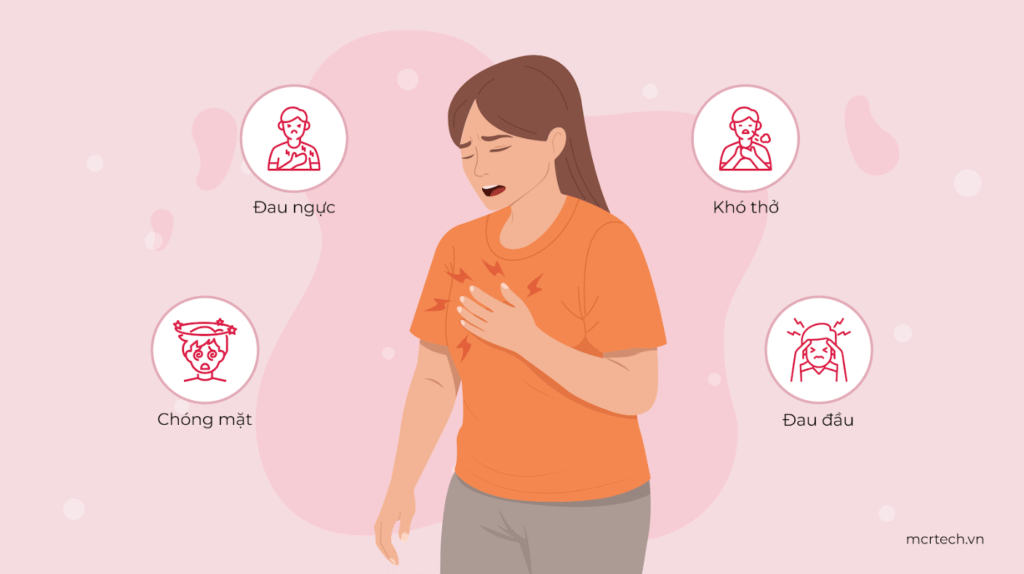
Hypertension and Its warning sign
Epidemiology and global burden
According to WHO, approximately 1.4 billion adults worldwide are currently living with hypertension, with early two-thirds residing in low- and middle-income countries. Despite the availability of effective diagnostic and treatment options, blood pressure control rates remain low, with only about one in five affected individuals achieving target blood pressure levels.
WHO warns that more than one billion people are at serious health risk due to uncontrolled hypertension, contributing to over 10 million deaths annually, primarily from cardiovascular disease and stroke.
Clinical manifestations
WHO emphasizes that most individuals with hypertension experience no symptoms in the early stages of the disease. In some cases, particularly when blood pressure is markedly elevated, non- specific symptoms such as headache, dizziness, blurred vision, chest pain, or shortness of breath may occur.
However, these manifestations are not reliable for diagnosis. Therefore, regular blood pressure measurement remains the only effective method for early detection and prevention of serious complications.
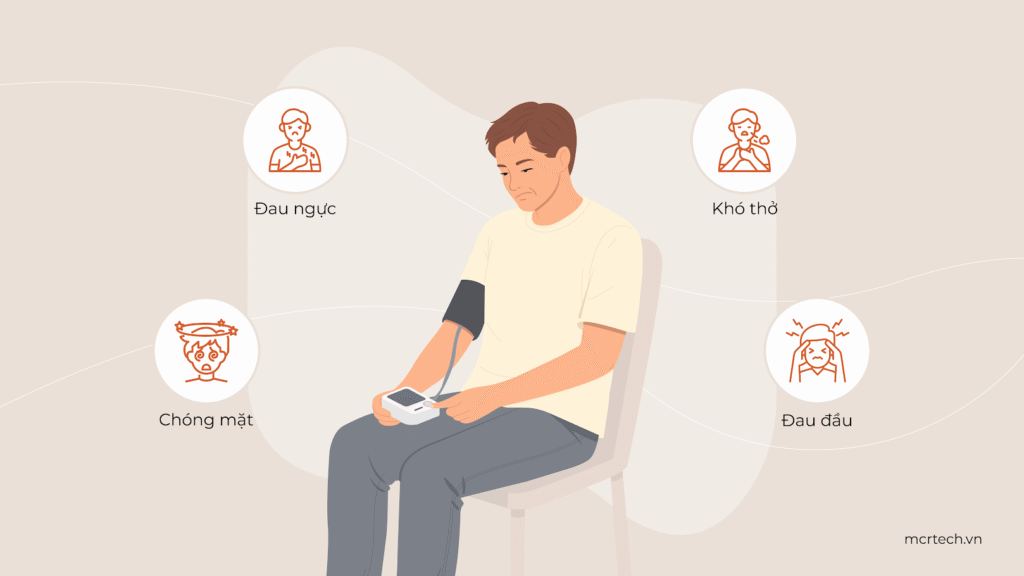
Clinical manifestations
Complications and health consequences
Uncontrolled hypertension can cause severe damage to multiple organs. It is a major risk factor for cardiovascular diseases, including myocardial infarction, stroke, heart failure, and chronic kidney disease.
In addition, hypertension adversely affects brain health, increasing the risk of cognitive impairment and dementia. These complications not only reduce quality of life but also represent leading causes of disability and premature mortality worldwide.
Management of hypertension
According to WHO recommendations, hypertension can be effectively controlled through a combination of lifestyle modification and pharmacological treatment. Commonly used essential antihypertensive drug classes include thiazide diuretics, angiotensin-converting enzyme (ACE)
inhibitors, angiotensin II receptor blockers (ARBs), and calcium channel blockers.
These medications have been shown to significantly reduce the risk of stroke, myocardial infarction, and cardiovascular mortality when used appropriately and consistently. WHO particularly highlights the importance of ensuring affordable access to essential medicines, especially in resource-limited settings.
Economic burden of uncontrolled hypertension
In addition to its health impact, uncontrolled hypertension imposes a substantial economic burden. WHO estimates that cardiovascular diseases related to hypertension result in losses of trillions of US dollars annually worldwide due to healthcare expenditures, reduced productivity, and premature death.
In low- and middle-income countries alone, the economic losses attributable to cardiovascular disease between 2011 and 2025 are estimated to reach approximately USD 3–4 trillion, equivalent to nearly 2% of their gross domestic product (GDP). These figures highlight that hypertension is not only a medical issue but also a major challenge to socio-economic development.
Prevention and community-level control
WHO affirms that hypertension is a preventable and controllable condition. Key preventive strategies include reducing salt intake, maintaining a healthy diet, increasing physical activity, limiting alcohol consumption, and quitting smoking.
Furthermore, expanding blood pressure screening programs, simplifying treatment regimens, and strengthening hypertension management at the primary healthcare level are considered among the most cost-effective approaches to reducing premature mortality and the global economic burden of hypertension.
References:
- World Health Organization. (2025, September 25). Hypertension. World Health Organization.
https://www.who.int/news-room/fact-sheets/detail/hypertension - World Health Organization. (2025, September 23). Uncontrolled high blood pressure puts over a billion people at risk. World Health Organization.
https://www.who.int/news/item/23-09-2025-uncontrolled-high-blood-pressure-puts-over-a-billion-people-at-risk