Understanding the virus that weakens the immune system – HIV/AIDS
Keywords: HIV, AIDS, immune system, CD4, opportunistic infections
Definition
HIV (Human Immunodeficiency Virus) is a virus that causes immune deficiency in humans by attacking and destroying white blood cells of the immune system, particularly CD4 T cells. This gradual damage weakens the body’s ability to defend itself against infections and diseases. When immune suppression becomes severe, the condition can progress to AIDS, the most advanced stage of HIV infection. At this stage, the immune system is severely damaged, making the body highly vulnerable to opportunistic infections and certain cancers. Without treatment, HIV infection typically progresses to AIDS after many years.
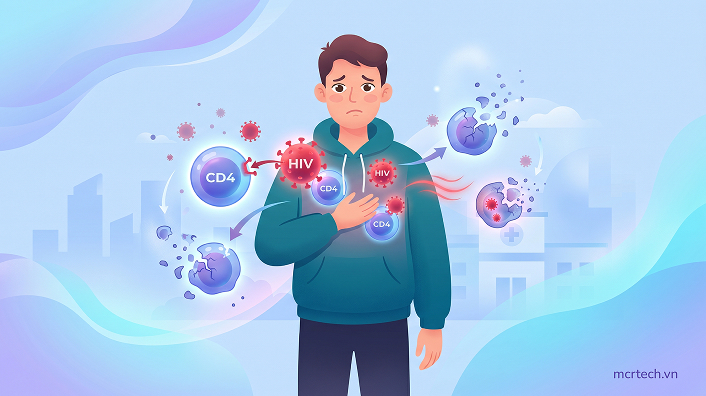
Illustration of HIV infection targeting CD4 cells and impairing immune function.
Epidemiology
HIV remains a major global public health issue. It is estimated that in 2024 approximately 40.8 million people worldwide were living with HIV, and about 630,000 people died from HIV-related illnesses during the same year. Although there is currently no complete cure for HIV, advances in diagnosis, treatment, and prevention have transformed HIV into a manageable chronic condition. With effective antiretroviral therapy, many people living with HIV can live long lives and maintain a good quality of life.
Pathophysiology
HIV causes disease by invading and destroying immune cells, particularly CD4 T cells, which play a crucial role in protecting the body against infections. As the virus replicates in the body, the number of CD4 cells gradually declines, weakening the immune system. When immune function becomes significantly impaired, the body becomes increasingly vulnerable to infections and diseases that a healthy immune system would normally control. Without treatment, prolonged immune deterioration eventually leads to AIDS, a stage in which individuals are at high risk of developing opportunistic infections or cancers associated with severe immune suppression.
Transmission
HIV is transmitted through the exchange of certain body fluids from an infected person, including blood, semen, vaginal fluids, and breast milk. The virus can spread through unprotected sexual contact, sharing needles during injection drug use, transfusion of contaminated blood, or medical procedures that are not properly sterilized. HIV can also be transmitted from mother to child during pregnancy, childbirth, or breastfeeding. However, HIV is not transmitted through everyday contact such as hugging, shaking hands, sharing food, or through air or insect bites.
Clinical symptoms
The symptoms of HIV vary depending on the stage of infection. During the acute phase, which usually occurs two to four weeks after infection, some individuals experience flu-like symptoms such as fever, headache, rash, sore throat, muscle aches, and swollen lymph nodes. After this stage, many people enter the chronic phase of HIV infection, in which the virus remains in the body but may not cause noticeable symptoms for many years. As the disease progresses, symptoms such as persistent fever, diarrhea, weight loss, fatigue, oral thrush, and other infections may appear. When the infection progresses to AIDS, patients may develop severe opportunistic infections such as pneumonia, tuberculosis, or certain cancers.
Complications
Because HIV weakens the immune system, individuals with HIV have a higher risk of developing opportunistic infections and certain types of cancer. Common conditions include tuberculosis, cryptococcal meningitis, severe bacterial infections, and cancers such as lymphoma or Kaposi sarcoma. In addition, HIV may cause complications affecting multiple organs, including the nervous system, kidneys, and liver, which can significantly impact overall health if not treated promptly.
Treatment and disease management
Currently, there is no cure for HIV, but the infection can be effectively controlled with antiretroviral therapy (ART). Antiretroviral medications reduce the amount of virus in the blood, help restore immune function, and slow the progression of the disease. When individuals living with HIV receive treatment and achieve an undetectable viral load, the risk of transmitting HIV to sexual partners is greatly reduced. Early diagnosis, timely treatment, and adherence to prescribed therapy are essential for helping people with HIV live longer and healthier lives.

Principles of treatment and disease management in people living with HIV using antiretroviral therapy (ART).
Prevention
HIV prevention involves several strategies aimed at reducing exposure to the virus. Key preventive measures include consistent condom use during sexual activity, avoiding the sharing of needles, ensuring safe blood transfusions and sterile medical procedures, and regular HIV testing for individuals at higher risk. Treatment with antiretroviral therapy also plays an important role in prevention, as individuals with sustained undetectable viral loads have effectively no risk of sexually transmitting the virus.
References:
- World Health Organization. (2025, July 15). HIV and AIDS. WHO. https://www.who.int/news-room/fact-sheets/detail/hiv-aids
- Mayo Clinic. (2024, February 9). HIV/AIDS – Symptoms and causes. Mayo Clinic. https://www.mayoclinic.org/diseases-conditions/hiv-aids/symptoms-causes/syc-20373524