Cervical cancer and essential knowledge for effective prevention
Keywords: Cervical cancer, HPV, gynecologic cancer, cancer screening, HPV vaccine
Definition
Cervical cancer is a type of cancer that develops from the cells of the cervix, the lower part of the uterus that connects to the vagina. The disease often begins with abnormal changes in the epithelial cells of the cervix, which may eventually progress to invasive cancer if not detected and treated in time. Most cases of cervical cancer are associated with infection by the human papillomavirus (HPV), a virus primarily transmitted through sexual contact. Cervical cancer is considered one of the few cancers that can be effectively prevented through HPV vaccination, regular screening, and timely treatment of precancerous lesions.
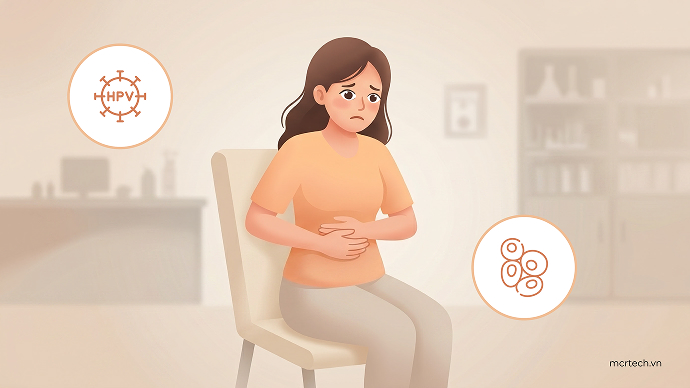
Illustration of the pathogenesis of cervical cancer associated with human papillomavirus (HPV) infection.
Epidemiology
Cervical cancer is one of the most common cancers among women worldwide. According to the World Health Organization (WHO), in 2022 there were an estimated 660,000 new cases and approximately 350,000 deaths from cervical cancer globally. The disease ranks as the fourth most common cancer among women. About 90% of cervical cancer deaths occur in low- and middle-income countries, mainly due to limited access to HPV vaccination programs, cancer screening, and appropriate treatment services. This disparity reflects inequalities in healthcare systems, socioeconomic conditions, and access to medical services across different regions of the world.
Etiology and risk factors
The primary cause of cervical cancer is persistent infection with high-risk types of HPV, particularly HPV-16 and HPV-18. HPV is a very common virus, and most sexually active individuals are likely to be infected at least once in their lifetime. In most cases, the body’s immune system clears the virus naturally. However, when HPV infection persists, the virus can induce abnormal cellular changes in the cervix, leading to precancerous lesions and eventually progressing to cancer.
In addition to HPV infection, several factors may increase the risk of developing cervical cancer, including a weakened immune system, HIV infection, smoking, having multiple pregnancies, early sexual activity, or infection with other sexually transmitted diseases. These factors may increase the likelihood of persistent HPV infection or accelerate the progression from precancerous lesions to invasive cancer.
Pathophysiology
Cervical cancer usually develops as a result of persistent HPV infection in the epithelial cells of the cervix. The HPV virus can invade epithelial cells and cause genetic alterations within these cells. These changes lead to abnormal cell proliferation and the formation of precancerous lesions known as cervical dysplasia. If not detected and treated promptly, these lesions may progress to invasive cervical cancer. The progression from HPV infection to cancer typically occurs slowly, often taking about 15–20 years, although it may develop more rapidly in individuals with weakened immune systems.
Clinical manifestations
In its early stages, cervical cancer often does not produce noticeable symptoms, which is why many cases are detected through screening programs. As the disease progresses, patients may experience symptoms such as abnormal vaginal bleeding (especially after sexual intercourse, between menstrual periods, or after menopause), unusual vaginal discharge, pelvic pain, or pain during sexual intercourse. In more advanced stages, the disease may cause back pain, leg swelling, fatigue, or symptoms related to the spread of the tumor to nearby organs.
Diagnosis
The diagnosis of cervical cancer typically begins with screening methods such as the Pap smear test or HPV testing to detect abnormal cervical cells or the presence of high-risk HPV infection. If screening results are abnormal, physicians may perform colposcopy and biopsy to confirm the presence of precancerous lesions or cervical cancer. Imaging techniques such as MRI, CT scans, or PET scans may also be used to determine the stage of the disease and assess the extent of cancer spread.
Treatment
The treatment of cervical cancer depends on the stage of the disease, tumor size, and the patient’s overall health condition. Common treatment approaches include surgery, radiation therapy, and chemotherapy. In early-stage disease, surgical removal of the tumor or hysterectomy can be highly effective. In more advanced stages, radiation therapy combined with chemotherapy is often used to control tumor growth and prevent further spread of the disease. When detected early and treated promptly, cervical cancer is one of the cancers with a high likelihood of successful treatment.
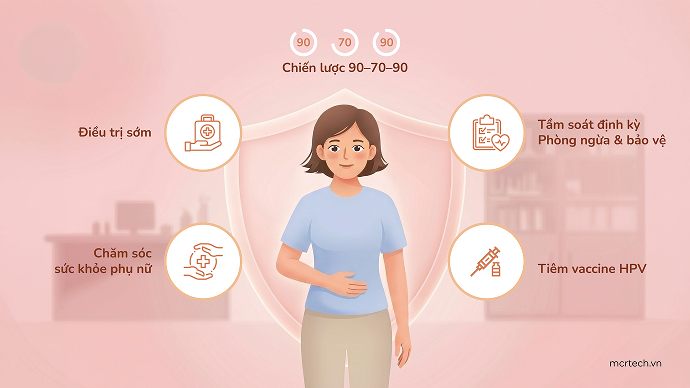
Principles of treatment and prevention of cervical cancer.
Prevention
Cervical cancer is one of the few cancers that can be effectively prevented. Key preventive measures include HPV vaccination, regular screening for early detection of precancerous lesions, and timely treatment. The WHO has launched a global strategy to eliminate cervical cancer with the 90–70–90 targets, which include vaccinating 90% of girls with the HPV vaccine by the age of 15, screening 70% of women at least twice in their lifetime, and ensuring that 90% of women with precancerous lesions or cervical cancer receive appropriate treatment. Effective implementation of these strategies could significantly reduce the global burden of cervical cancer and move toward the elimination of the disease as a public health problem in the future.
References:
- World Health Organization. (2025, December 2). Cervical cancer. https://www.who.int/news-room/fact-sheets/detail/cervical-cancer
- National Cancer Institute. (2023, June 15). What is cervical cancer? https://www.cancer.gov/types/cervical