Therapeutic strategies and disease management for chronic obstructive pulmonary disease (COPD).
Keywords: COPD, chronic obstructive pulmonary disease, respiratory system, chronic bronchitis, emphysema
Definition and classification
Chronic obstructive pulmonary disease (COPD) is a group of progressive lung diseases characterized by persistent airflow limitation and difficulty breathing. This obstruction occurs due to lung damage and chronic inflammation in the airways, which reduces the ability of air to move in and out of the lungs. COPD commonly includes two major conditions: emphysema and chronic bronchitis, which may occur separately or coexist in the same patient. In emphysema, the tiny air sacs in the lungs (alveoli) are damaged or destroyed, reducing the lungs’ capacity to exchange oxygen with the bloodstream. In contrast, chronic bronchitis is characterized by long-term inflammation of the bronchial tubes, leading to excessive mucus production and narrowing of the airways, which further obstructs airflow.
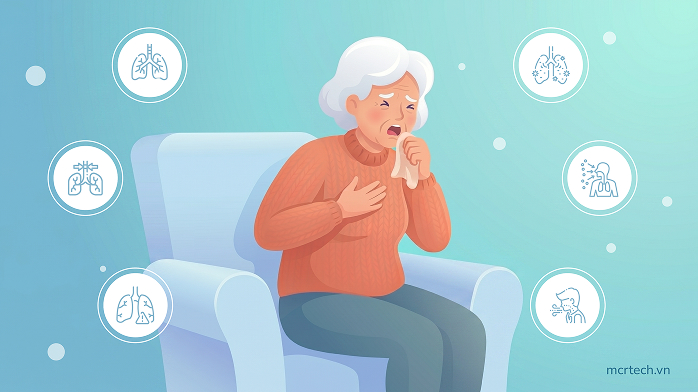
Illustration of common clinical manifestations in patients with chronic obstructive pulmonary disease (COPD).
Causes and risk factors
The most common cause of COPD is long-term exposure to harmful irritants that damage the lungs, with cigarette smoking being the most significant risk factor. Tobacco smoke damages lung tissue, triggers inflammatory responses, and causes narrowing of the airways, which contributes to the gradual development of the disease. In addition to active smoking, exposure to secondhand smoke, air pollution, indoor smoke from burning fuels, and occupational exposure to dust, chemicals, or toxic fumes can also increase the risk of developing COPD. Other factors may also contribute to disease development, including a history of asthma and genetic predisposition. One notable genetic condition is alpha-1 antitrypsin deficiency, a rare inherited disorder that makes the lungs more vulnerable to damage.
Epidemiology
COPD is one of the leading causes of death and disability worldwide. In the United States, it is considered one of the major causes of mortality, with approximately 16 million adults diagnosed with the disease, while many others may have COPD but remain undiagnosed. The disease typically develops in middle-aged or older adults, particularly in individuals with a long history of smoking or prolonged exposure to respiratory irritants. The burden of COPD extends beyond mortality, as the disease significantly reduces quality of life and limits patients’ ability to perform daily activities and maintain normal work productivity.
Pathophysiology
The pathophysiology of COPD involves chronic inflammation in the airways and structural damage to lung tissues resulting from prolonged exposure to harmful irritants such as tobacco smoke or toxic chemicals. This inflammatory process leads to thickening of the airway walls, excessive mucus production, and narrowing of the bronchial lumen, which obstructs airflow. At the same time, destruction of the alveoli reduces the elasticity of the lungs and decreases the surface area available for gas exchange, preventing the lungs from supplying sufficient oxygen to the body. In addition, the accumulation of mucus within the airways further contributes to airway obstruction and breathing difficulties. These structural changes usually develop gradually over many years before obvious symptoms appear.
Clinical manifestations
The symptoms of COPD typically appear after significant lung damage has already occurred and tend to worsen progressively over time. The most common symptom is shortness of breath, particularly during physical activity or routine daily tasks. Patients may also experience chronic cough, often accompanied by sputum or mucus production, wheezing, and a sensation of chest tightness. Some individuals may develop persistent fatigue, unintentional weight loss, or swelling in the legs and ankles in more advanced stages of the disease. COPD can also present with exacerbations, which are episodes in which symptoms suddenly worsen. These exacerbations are often triggered by respiratory infections or exposure to irritants such as air pollution.
Complications
COPD can lead to several serious complications due to long-term impairment of lung function. Patients have an increased risk of respiratory infections such as the common cold, influenza, and pneumonia, which can further worsen breathing difficulties. Additionally, COPD is associated with a higher risk of cardiovascular diseases, lung cancer, and pulmonary hypertension. Chronic breathlessness and reduced physical activity may also contribute to psychological conditions such as anxiety and depression. These complications further decrease quality of life and increase the overall burden of disease in individuals with COPD.
Treatment and disease management
Although COPD is a chronic condition that cannot be completely cured, appropriate treatment can help control symptoms, slow disease progression, and improve patients’ quality of life. Treatment strategies typically include bronchodilator medications, inhaled corticosteroids, oxygen therapy, and pulmonary rehabilitation programs. Among these interventions, smoking cessation is the most important measure to slow disease progression and reduce further lung damage. Vaccination against influenza and pneumonia is also recommended to reduce the risk of respiratory infections in patients with COPD.
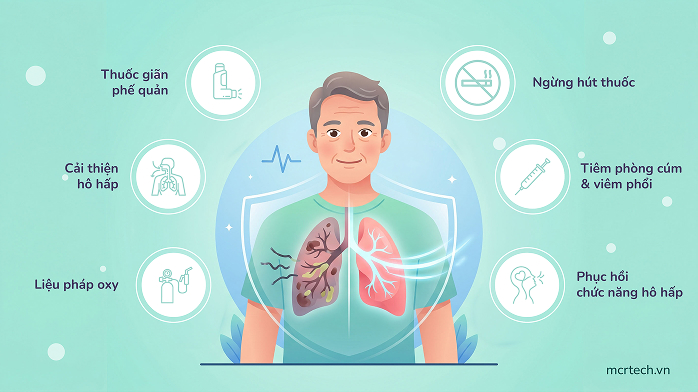
Therapeutic strategies and disease management for chronic obstructive pulmonary disease (COPD).
Prevention
Prevention of COPD primarily focuses on reducing exposure to risk factors that damage the lungs. Avoiding smoking or quitting smoking is the most effective strategy for preventing the disease. In addition, individuals should minimize exposure to secondhand smoke, air pollution, and harmful chemicals in occupational settings. Improving indoor ventilation and using appropriate protective equipment in environments with high levels of dust or smoke can also play an important role in reducing the risk of developing COPD.
References:
- Centers for Disease Control and Prevention. (2024, May 15). About COPD. https://www.cdc.gov/copd/about/index.html
- Mayo Clinic. (2024, August 30). COPD – Symptoms and causes. https://www.mayoclinic.org/diseases-conditions/copd/symptoms-causes/syc-20353679