Fatty liver disease: Does being overweight mean you will definitely get it?
Fatty liver disease is a common condition that often develops silently, which is why many people only discover it after abnormal blood tests or an ultrasound. Although it may not always be dangerous right away, it can still progress to liver inflammation, cirrhosis, or be linked to other metabolic health problems if left unmanaged. Maintaining a healthy weight, eating a balanced diet, exercising regularly, limiting alcohol intake, and having routine health checkups are all important steps to protect both your liver and your overall health.
Keywords: Fatty liver disease, MASLD, non-alcoholic fatty liver disease, metabolic dysfunction-associated steatotic liver disease
What is fatty liver disease?
Fatty liver disease refers to the buildup of excess fat in the liver. Normally, the liver contains a small amount of fat, but when fat accumulates beyond normal levels, the liver’s structure and function can be affected. Today, many medical sources use the term MASLD to describe fatty liver disease associated with metabolic dysfunction; this condition was previously more commonly known as non-alcoholic fatty liver disease. There is also alcohol-related fatty liver disease, which develops when the liver is affected by long-term excessive alcohol use. Fatty liver disease often occurs when the body stores excess energy, particularly in people who are overweight or obese, have insulin resistance, type 2 diabetes, or abnormal blood lipid levels.
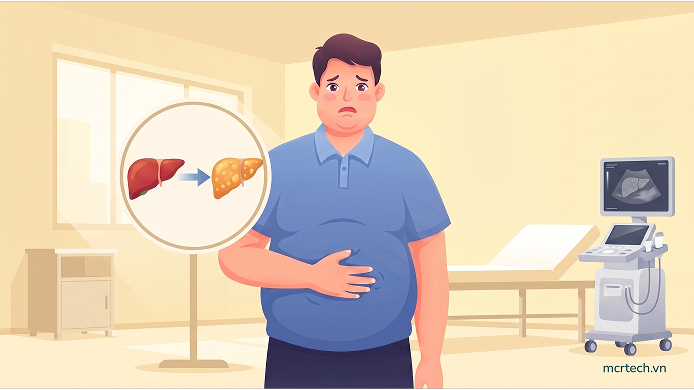
Illustration of fat accumulation in the liver leading to fatty liver disease.
Types of fatty liver disease and risk factors
Fatty liver disease is generally divided into two main groups: metabolic dysfunction-associated fatty liver disease and alcohol-related fatty liver disease. The metabolic type is now the most common form and is often seen in people who are overweight, obese, have high cholesterol, high triglycerides, or type 2 diabetes. Alcohol-related fatty liver disease, on the other hand, occurs when the liver is damaged by long-term alcohol consumption. In some people, fat does not simply accumulate in the liver; it is also accompanied by inflammation and liver cell injury. This stage is more concerning because it carries a higher risk of progressing to liver scarring and cirrhosis. Besides excess weight and alcohol, other factors such as metabolic syndrome, a sedentary lifestyle, a diet high in sugar, and frequent consumption of ultra-processed foods may also increase the risk of developing fatty liver disease.
What are the symptoms of fatty liver disease?
Fatty liver disease is often described as a silent condition because many people have no obvious symptoms, especially in the early stages. In fact, many cases are discovered incidentally during a routine health check, blood test, or abdominal ultrasound. When symptoms do occur, they may include fatigue, a general feeling of discomfort, or a dull ache or heaviness in the upper right side of the abdomen. However, these symptoms are vague and not specific to fatty liver disease. You should consider seeing a doctor if you have abnormal liver test results, an ultrasound showing fatty liver, or if you belong to a higher-risk group such as people with obesity, type 2 diabetes, high cholesterol, or frequent alcohol use. More urgent medical evaluation is needed if symptoms such as jaundice, yellowing of the eyes, abdominal swelling, leg swelling, easy bruising, vomiting blood, or black stools appear, as these may suggest serious liver damage or complications.
Is fatty liver disease dangerous?
Not everyone with fatty liver disease will develop severe complications, but the condition should not be taken lightly. In many people, fat in the liver may remain mild and stable for a long time without causing major problems. In others, however, long-term fat buildup can trigger inflammation and gradually lead to liver scarring. If this process continues, it may progress to cirrhosis, liver failure, and an increased risk of liver cancer. Fatty liver disease is also closely linked to other metabolic health issues such as cardiovascular disease, high blood pressure, and type 2 diabetes. In that sense, fatty liver disease is not only a liver problem – it may also be a sign that a person’s overall metabolic health is under strain.
Treatment and prevention of fatty liver disease
Treatment for fatty liver disease mainly focuses on lifestyle changes and management of underlying risk factors, rather than relying on a single specific medication. If a person is overweight or obese, weight loss is often one of the most important steps because it can help reduce fat buildup in the liver and improve inflammation. A healthy diet that limits sugar, sugary drinks, ultra-processed foods, and unhealthy fats also plays a key role. Regular physical activity, along with good control of blood sugar, cholesterol, and blood pressure, can further reduce the risk of disease progression. For alcohol-related fatty liver disease, cutting back on or completely stopping alcohol is essential. The good news is that if fatty liver disease is detected early and lifestyle changes are made consistently, the condition can improve significantly and, in many cases, some liver damage may even be reversed.

Treatment and preventive strategies for fatty liver disease.
References:
- HealthDirect. (2025, March). Fatty liver. https://www.healthdirect.gov.au/fatty-liver
- Mayo Clinic. (2026, March 13). Fatty liver disease (MASLD). https://www.mayoclinic.org/diseases-conditions/fatty-liver-disease-masld/syc-20354567