Migraine: Definition, pathophysiology, and treatment strategies
Migraine is a chronic neurological disorder characterized by a complex pathophysiology and a substantial disease burden. Effective management requires an integrated approach that combines acute attack treatment, preventive therapy, and non-pharmacological supportive measures. Individualizing treatment strategies based on each patient’s clinical characteristics is a key factor in achieving long-term migraine control and improving quality of life.
What is migraine
Migraine is a chronic neurological condition characterized by recurrent headache attacks, typically unilateral, pulsating in nature, and of moderate to severe intensity. Headache episodes usually last from 4 to 72 hours and are aggravated by routine physical activity. Migraine is commonly accompanied by symptoms such as nausea, vomiting, photophobia, and phonophobia. Unlike common headache disorders, migraine is considered a dysfunction of the central nervous system with a complex underlying pathophysiology and a significant impact on patients’ quality of life and work productivity.
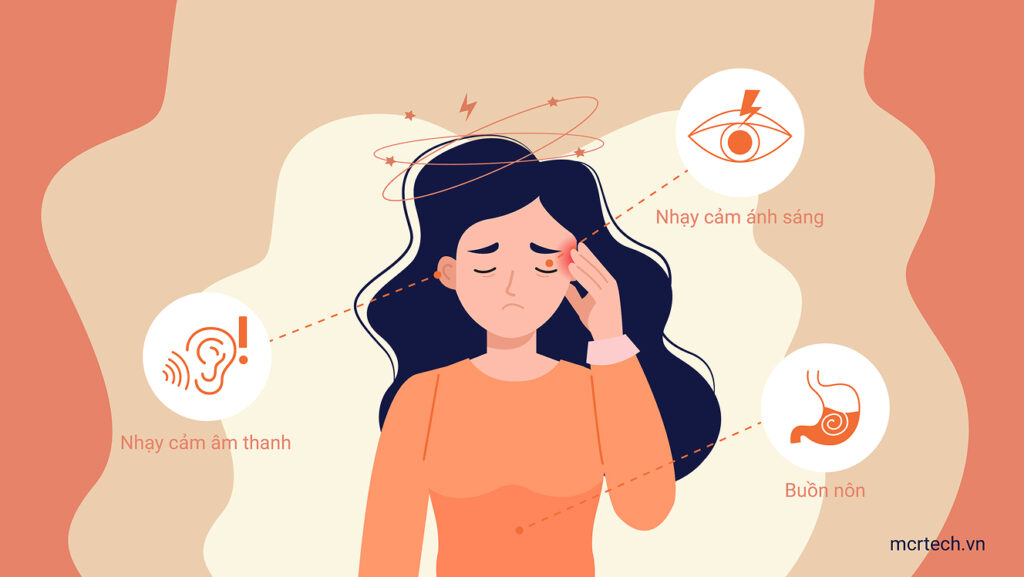
Definition and key features of chronic migraine headaches
Pathophysiology of migraine
The pathophysiology of migraine is currently understood to involve abnormal activation of the trigeminovascular system. This process leads to the release of pain-related neuropeptides, most notably calcitonin gene-related peptide (CGRP). Elevated CGRP levels cause cerebral vasodilation and trigger sterile neurogenic inflammation in the meninges, while also altering pain transmission and modulation within the brainstem and cerebral cortex. These discoveries have provided the foundation for the development of targeted therapies, particularly CGRP pathway inhibitors, in modern migraine treatment.
General principles of migraine management
Migraine management aims to achieve comprehensive disease control through two main strategies: acute attack treatment and preventive therapy. Treatment selection should be individualized based on attack frequency, severity, functional impairment, and comorbid conditions. A key principle in acute migraine management is the early use of medication at the onset of an attack to maximize efficacy and reduce the risk of progression to chronic migraine or medication-overuse headache.
Acute treatment of migraine attacks
Acute migraine treatment aims to rapidly reduce pain intensity and associated symptoms while restoring the patient’s functional ability. For mild to moderate attacks, paracetamol and nonsteroidal anti-inflammatory drugs are commonly used as first-line options. In cases of moderate to severe attacks or inadequate response to conventional analgesics, migraine-specific agents such as triptans are indicated due to their ability to inhibit pain transmission via serotonin pathways.
In addition, newer agents such as ditans and gepants have demonstrated significant efficacy, particularly in patients who cannot tolerate or have contraindications to triptans. Antiemetic agents are often used in combination to control nausea and improve oral drug absorption. The use of opioids is not recommended due to the risk of dependence and the potential to worsen chronic migraine.
Preventive treatment of migraine
Preventive migraine therapy is indicated to reduce the frequency, severity, and duration of attacks, especially in patients with frequent episodes or significant impairment of quality of life. Traditional preventive medications include beta-adrenergic blockers, antiepileptic drugs, and antidepressants, which have demonstrated efficacy in multiple clinical studies.
In addition, targeted therapies against the CGRP pathway, including monoclonal antibodies and gepants used for prevention, represent a modern therapeutic approach with high efficacy and good tolerability. In patients with chronic migraine, botulinum toxin type A injections are an evidence-based option shown to reduce the number of headache days per month.
Non-pharmacological and supportive measure
In addition to pharmacological treatment, non-pharmacological interventions play an important role in the long-term management of migraine. Lifestyle modifications, stress management, maintaining regular sleep patterns, and avoiding individual trigger factors may help reduce attack frequency.
Behavioral therapies, such as cognitive behavioral therapy, have shown supportive benefits when combined with medication. Certain micronutrients and dietary supplements, including magnesium, riboflavin, and coenzyme Q10, have also been reported to provide some preventive benefit, although the level of evidence remains limited compared with standard pharmacological treatments
References:
- Chawla, J., & Lutsep, H. L. (2024). Migraine headache treatment & management. Medscape.
https://emedicine.medscape.com/article/1142556-treatment?form=fpf - Diener, H.-C., Holle-Lee, D., Nägel, S., Dresler, T., Gaul, C., Göbel, H., Heinze-Kuhn, K., Jürgens, T., Kropp, P., Meyer, B., May, A., Schulte, L., Solbach, K., Straube, A., Kamm, K., Förderreuther, S., Gantenbein, A., Petersen, J., Sandor, P., & Lampl, C. (2019). Treatment of migraine attacks and prevention of migraine: Guidelines by the German Migraine and Headache Society and the German Society of Neurology. Clinical & Translational Neuroscience.
https://ihs-headache.org/wp-content/uploads/2020/06/3426_dmkg-treatment-of-migraine-attacks-and-prevention-of-migraine.pdf