Blog

Blog

Keywords: HIV, AIDS, immune system, CD4, opportunistic infections  Definition HIV (Human Immunodeficiency Virus) is a virus that causes immune deficiency in humans by attacking and destroying white blood cells of the immune system, particularly CD4 T cells. This gradual damage weakens the body’s ability to defend itself against infections and...

HIV-AIDS HIV-AIDS
March each year carries a special meaning as people around the world take time to recognize and celebrate the contributions of women to families, communities, and the progress of society. This period is closely associated with International Women’s Day on March 8, a global occasion that acknowledges the roles, achievements,...
Featured article for March (International Women's Day, March 8th) Featured article for March (International Women's Day, March 8th)
Breast cancer is a serious disease but can be effectively managed if detected early and treated promptly. Raising public awareness about warning signs, risk factors, and the importance of breast cancer screening plays a crucial role in reducing the burden of the disease. Paying attention to breast health not only...
breast cancer Breast cancer
Keywords: COPD, chronic obstructive pulmonary disease, respiratory system, chronic bronchitis, emphysema Definition and classification Chronic obstructive pulmonary disease (COPD) is a group of progressive lung diseases characterized by persistent airflow limitation and difficulty breathing. This obstruction occurs due to lung damage and chronic inflammation in the airways, which reduces the...
COPD COPD
Keywords: gastric ulcer, duodenal ulcer, digestive system, H. pylori, Helicobacter pylori Definition and classification Peptic ulcer disease is a condition characterized by ulcerative lesions occurring in the mucosal lining of the stomach or the proximal portion of the small intestine (duodenum). An ulcer is defined as a loss of mucosal tissue...
Gastric and duodenal ulcers Gastric and duodenal ulcers
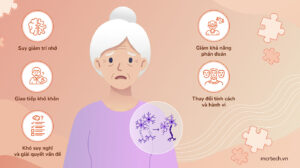
Keywords: Alzheimer’s disease, dementia, memory, brain Definition Alzheimer’s disease is a progressive neurodegenerative disorder and the most common cause of dementia. The disease affects memory, thinking ability, and behavior, gradually impairing a person’s ability to perform daily activities. Alzheimer’s occurs when nerve cells in the brain become damaged and gradually...
Alzheimer 1 Alzheimer
If not appropriately treated, gastroesophageal reflux disease (GERD) may lead to complications such as esophagitis, esophageal stricture, Barrett’s esophagus, and an increased risk of esophageal adenocarcinoma. However, most patients have a favorable prognosis when the disease is diagnosed early and managed properly, particularly with long-term treatment adherence and regular follow-up....
GERD 1 GERD
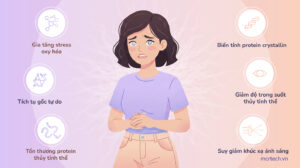
Cataract is the leading cause of preventable visual impairment and blindness worldwide, with a growing disease burden driven by population ageing. Numerous risk factors have been identified, among which smoking stands out as a modifiable factor that plays a significant role in promoting the early development and progression of cataract....
Catarat 01 Catarat
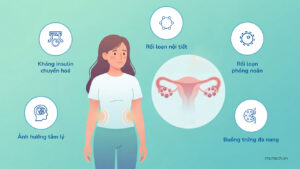
Polycystic ovary syndrome (PCOS) is a common endocrine-metabolic disorder affecting women of reproductive age. Beyond its impact on fertility, PCOS significantly increases the risk of metabolic diseases, cardiovascular disorders, and psychological disturbances. Early diagnosis and comprehensive management, combining lifestyle modification with individualized treatment strategies, play a crucial role in improving...
PCOS 1 PCOS
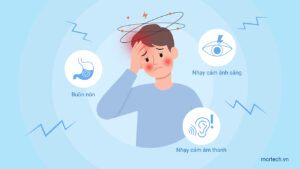
Migraine is a chronic neurological disorder characterized by a complex pathophysiology and a substantial disease burden. Effective management requires an integrated approach that combines acute attack treatment, preventive therapy, and non-pharmacological supportive measures. Individualizing treatment strategies based on each patient’s clinical characteristics is a key factor in achieving long-term migraine...
Migraine 1 Migraine
COVID-19 is currently a persistent endemic infectious disease posing a moderate level of risk to global public health. Although the overall severity of the disease has declined, the virus continues to evolve and remains a significant threat to vulnerable populations. Maintaining epidemiological surveillance, strengthening vaccination coverage among high-risk groups, implementing...
Covid COVID-19
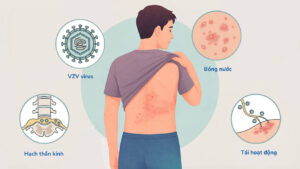
Herpes zoster occurs when the varicella-zoster virus reactivates and spreads along sensory nerves, resulting in localized skin lesions and neuropathic pain with a characteristic distribution. Recognition of the dermatomal pattern of involvement plays a crucial role in clinical diagnosis and in the prevention of postherpetic neuralgia. Keywords: Herpes zoster; shingles;...
Zona 1 Herpes zoster
error: